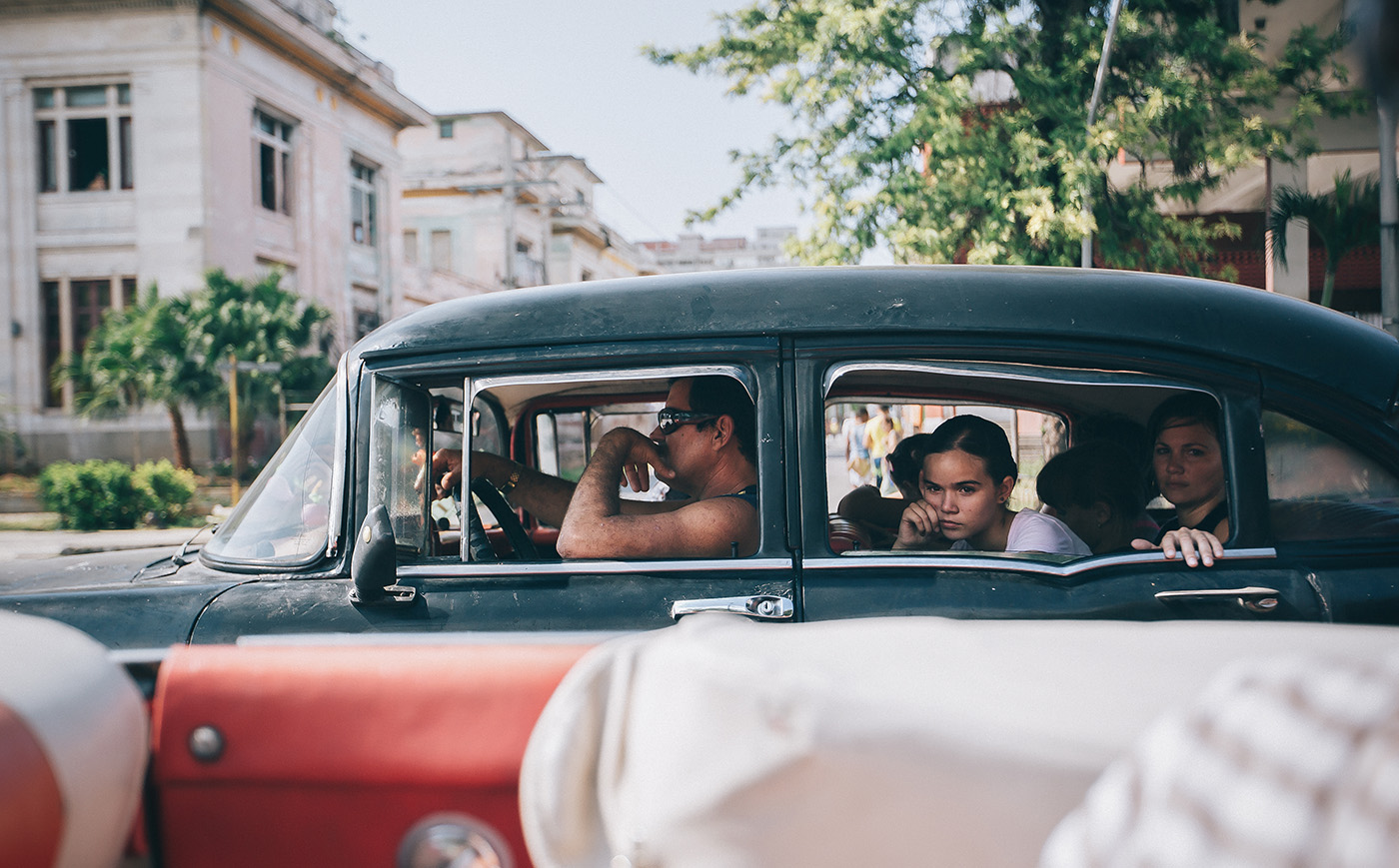
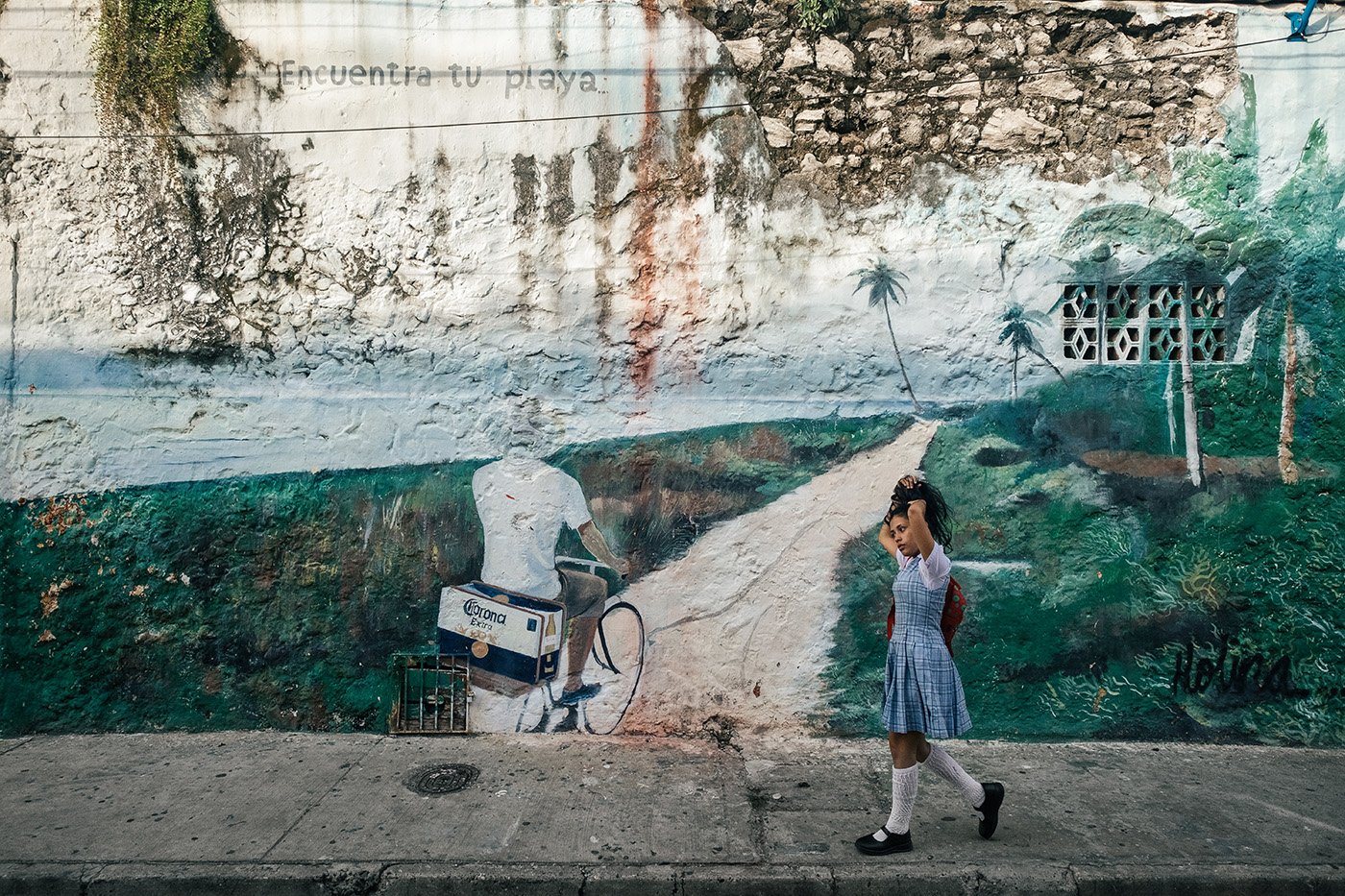
Am liebsten würde ich direkt wieder kehrtmachen. Und am besten bleibe ich gleich ganz da, im umwerfenden Kolumbien. Gefühlt bin ich in den fünf Wochen, in denen ich durch das Land gereist bin, von einem Highlight ins nächste gestolpert. Willkommen zum dritten Teil meiner Bilderreise durch Lateinamerika. Begonnen hat die Erkundungsreise in Cartagena, der Kolonialstadt an der nördlichen Karibikküste Kolumbiens. Die Altstadt ist eine der ältesten in Südamerika und gilt gleichzeitig auch als eine der schönsten. Es ist aber die Mischung aus Alt- und Neustadt, die Cartagena so ein besonderes Bild verleiht. Fühlt man sich in der historischen Altstadt beinahe in der Zeit zurückversetzt, ragen nur wenige Kilometer weiter, auf der Halbinsel Bocagrande, die modernen Hochhäuser wie Pilze aus dem Boden. Eine wie ich finde spektakuläre Kulisse. Dann ist da noch die Streetart-Szene im Getsemaní-Bezirk, die weit über die Stadtgrenzen Cartagenas bekannt ist. Ganze Häuserwände sind mit einmaligen Gemälden bedeckt und haben rein gar nichts mit dem Tagging-Geschmiere zu tun, das ich aus der Heimat kenne. Ein wahrer Augenschmaus.
Cartagena de Indias
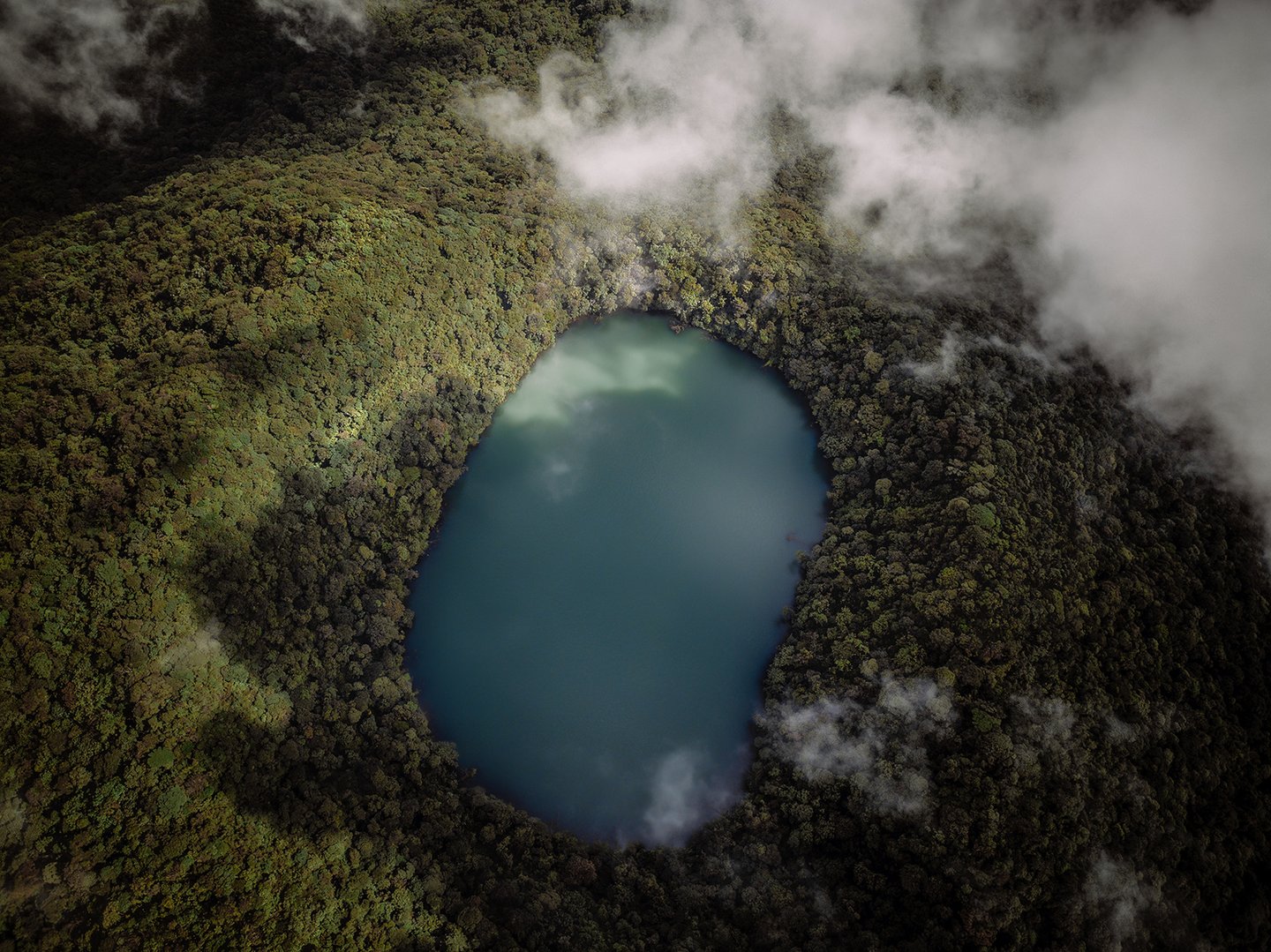
Nach zwei Wochen Cartagena ging es für mich weiter in den Norden nach Minca und den Tayrona-Nationalpark. Die koloniale Szenerie der Großstadt wurde hier gegen urwaldbedeckte Hügellandschaften getauscht. Soweit das Auge reicht, alles grün. Saftig, leuchtend grün. Auch die zahllosen Spinnenaugen, die einem bei Nacht entgegenleuchten. Postkartenlandschaft deluxe. Die Region ist für die besonders robuste Palmenart (Baumaterial) und ihren Kaffeeanbau bekannt. Allerdings werden nur die qualitativ besten Kaffeebohnen von hier aus in die westliche Welt exportiert. Die minderwertigen Bohnen, aus denen wir Westler keinen Macchiato oder Espresso zaubern würden, werden an die kolumbianische Bevölkerung oder das Nachbarland Venezuela verkauft. Klingt ungerecht, ist aber die Realität und gilt für die meisten Exportgüter Lateinamerikas. Die B-Ware bleibt zu Hause. Gern hätte ich hier ein paar Fotos von der Region gezeigt, hatte sogar einige schöne im Kasten. Doch habe ich sie tatsächlich vergessen zu sichern. Weg, für immer gelöscht.
Medellín und Guatapé
Von Minca ging es einige Tage später weiter ins atemberaubende Medellín. Diese Stadt hat ihre Berühmtheit zweifelsfrei der einflussreichsten Person im Drogenhandel des 20. Jahrhunderts, Herrn Pablo Escobar, zu verdanken. Wobei Dank wohl ein eher ungeeigneter Ausdruck ist. Ganze Generationen und Tausende von Familien fielen dem Drogenkrieg zwischen Regierung, Druglords und Rebellen zum Opfer. Und das weit über die Ländergrenzen Kolumbiens hinaus. Die Blutspur zieht sich durch alle lateinamerikanischen Länder. In den frühen 90er-Jahren wies Medellín rund 7000 Morde pro Jahr auf und galt als die gefährlichste Stadt der Welt. Die blutigen Kämpfe um ganze Stadtviertel hielten noch bis vor wenigen Jahren an. Zwar ist die Mordrate der Stadt heute noch sehr hoch, dennoch hat sich die Situation grundlegend zum Besseren verändert. Medellín wurde vor Kurzem als innovativste Stadt der Welt ausgezeichnet und besitzt den modernsten Nahverkehr des Landes. In Bezirke wie „Comuna 13” hätte sich vor vier, fünf Jahren keine Menschenseele getraut. Heute werden in dem einst gefährlichsten Stadtteil der Stadt diverse Führungen angeboten. Führungen, die ich unbedingt jedem empfehle, den es in diese Gegend verschlägt. Ganze Straßenzüge und Häuser des Bezirks sind heute von großflächiger Streetart überzogen. Buchstäblich jedes Haus ist auf irgendeine Art und Weise künstlerisch verschönert. Die Graffitis, die den Bewohnern schon beinahe heilig sind, erzählen die zahllosen tragischen Geschichten der Vergangenheit, zeigen aber auch eindrücklich die deutlich bessere Gegenwart und Hoffnung, die die Menschen vor Ort in die Zukunft des Viertels setzen. Mich jedenfalls hat der Bezirk und die ganze Stadt mächtig beeindruckt. Die rund 2,5-Millionen-Metropole zieht sich wie eine Schlange auf 1500 m durch die Anden und hinterlässt rein optisch schon einen unvergesslichen und einmaligen Eindruck. Ich komme gern wieder.
Nur eine Stunde entfernt von Medellín liegt der Stausee Peñol–Guatapé. Dazu wurden in den 1970er-Jahren rund 6000 Hektar Land überschwemmt. Der Stausee wird heute insbesondere für die Wasserversorgung Medellíns genutzt. Klingt erstmal nicht besonders aufregend. Durch die Wassermassen ist jedoch eine einmalige Hügel- und Wasserlandschaft entstanden, die heute das beliebteste Reiseziel der Stadtmenschen aus Medellín und Bogotá ist. Die größte Attraktion vor Ort ist der 220 m hohe und 700 Stufen anstrengende, freistehende Monolith „Peñón”. Von hier oben hat man einen beeindruckenden Panoramablick über die einzigartige Landschaft. Guatapé liegt auf rund 2800 m und gehört für mich zu den bisher schönsten Landschaften, die ich bei meinen bisherigen Reisen gesehen habe.
Salento und Cali
Meine letzten beiden Stationen in Kolumbien waren der Nationalpark in Salento und die Salsa-Hauptstadt Cali im Süden des Landes. Die Region um Salento ist das größte Anbaugebiet für Kaffee des Landes und zeichnet sich auch hier durch wunderschöne, leuchtend grüne Hügellandschaften aus, von denen Kolumbien scheinbar unendlich viele besitzt. Die Besonderheit, die diese Region von den anderen unterscheidet, ist die Palmenart „Palma de Cera” (Wachspalme), die hier wächst. Der Nationalbaum der Kolumbianer kann bis zu 70 m hoch werden und gehört somit zu den größten Palmenarten. Dafür braucht so eine Palme jedoch mehrere hundert Jahre. In Cali, meiner letzten Station, habe ich neben einem Spaziergang durch die Innenstadt nicht besonders viel gemacht. Auch nicht Salsa getanzt. Ist einfach nicht meins. Und ich finde, man muss auch nicht jeden Quatsch mitmachen. Die Stadt bleibt für mich als einziger Ort Kolumbiens in Erinnerung, an dem ich mich sicherheitstechnisch unwohl gefühlt habe. Es ist zwar nichts Spezielles passiert, dennoch hat die Stadt auf mich etwas Unangenehmes versprüht. Vielleicht ist es die reine Tatsache, dass Cali zu den gefährlichsten Städten weltweit gehört. Daher ging es für mich relativ schnell von Cali weiter nach Ecuador und von dort aus im Zeitraffer nach Peru, Bolivien und übermorgen Chile. Davon mehr im nächsten Teil meiner Bilderreise durch Lateinamerika.
I’d love to turn right back around. And better yet, just stay there for good, in stunning Colombia. In the five weeks I traveled through the country, it felt like I stumbled from one highlight to the next. Welcome to the third part of my photo journey through Latin America. The expedition began in Cartagena, the colonial city on Colombia’s northern Caribbean coast. The old town is one of the oldest in South America and is also considered one of the most beautiful. But it’s the mix of old and new town that gives Cartagena its special look. While the historic old town makes you feel almost transported back in time, just a few kilometers away on the Bocagrande peninsula, modern high-rises sprout from the ground like mushrooms. A spectacular backdrop, if you ask me. Then there’s the street art scene in the Getsemaní district, which is famous well beyond the city limits of Cartagena. Entire building walls are covered with unique paintings that have absolutely nothing in common with the tagging scrawl I know from back home. A true feast for the eyes.
Cartagena de Indias
After two weeks in Cartagena, I continued north to Minca and Tayrona National Park. The colonial scenery of the big city was traded here for jungle-covered hills. As far as the eye can see, everything green. Lush, vibrant green. Including the countless spider eyes glowing at you in the dark. Postcard landscape deluxe. The region is known for its particularly robust palm species (building material) and its coffee cultivation. However, only the highest-quality coffee beans are exported from here to the Western world. The inferior beans — the ones we Westerners wouldn’t dream of turning into a macchiato or espresso — are sold to the Colombian population or neighboring Venezuela. Sounds unfair, but that’s reality and applies to most of Latin America’s export goods. The B-grade stuff stays home. I would have loved to show some photos of the region here; I even had some great ones in the can. But I actually forgot to back them up. Gone, deleted forever.
Medellin and Guatape
A few days later, I continued to the breathtaking Medellin. This city undoubtedly owes its fame to the most influential person in the drug trade of the 20th century, Mr. Pablo Escobar. Though “owes” is probably a rather inappropriate word. Entire generations and thousands of families fell victim to the drug war between the government, drug lords, and rebels. And that extends far beyond Colombia’s borders. The trail of blood runs through all Latin American countries. In the early 90s, Medellin had around 7,000 murders per year and was considered the most dangerous city in the world. The bloody battles over entire neighborhoods continued until just a few years ago. While the city’s murder rate is still very high today, the situation has fundamentally changed for the better. Medellin was recently named the most innovative city in the world and has the most modern public transit system in the country. Four or five years ago, not a soul would have dared enter districts like “Comuna 13.” Today, various tours are offered in what was once the city’s most dangerous neighborhood. Tours that I absolutely recommend to anyone who finds themselves in this area. Entire streets and buildings in the district are now covered in large-scale street art. Literally every house is artistically embellished in some way. The graffiti, which is almost sacred to the residents, tells the countless tragic stories of the past, but also powerfully shows the much better present and the hope that the locals place in the neighborhood’s future. The district and the whole city certainly left a big impression on me. The roughly 2.5-million metropolis snakes through the Andes at 1,500 meters and leaves an unforgettable, one-of-a-kind visual impression. I’d happily come back.
Just an hour from Medellin lies the Penol-Guatape reservoir. For this, around 6,000 hectares of land were flooded in the 1970s. Today, the reservoir is primarily used for Medellin’s water supply. Doesn’t sound particularly exciting at first. But the flooding created a unique landscape of hills and water that’s now the favorite destination for city dwellers from Medellin and Bogota. The biggest attraction on site is the 220-meter-high, freestanding monolith “Penon” with its grueling 700 steps. From up here, you get an impressive panoramic view of the unique landscape. Guatape sits at around 2,800 meters and is, for me, among the most beautiful landscapes I’ve seen on all my travels.
Salento and Cali
My last two stops in Colombia were the national park in Salento and the salsa capital Cali in the south of the country. The region around Salento is the country’s largest coffee-growing area and is characterized — once again — by gorgeous, vibrant green hill landscapes, of which Colombia seems to have an infinite supply. What sets this region apart from the others is the palm species “Palma de Cera” (wax palm) that grows here. Colombia’s national tree can reach up to 70 meters in height, making it one of the tallest palm species. Though it takes several hundred years to get there. In Cali, my last stop, I didn’t do much beyond a walk through the city center. Didn’t dance salsa either. Just not my thing. And I believe you don’t have to go along with every fad. The city remains the only place in Colombia where I felt unsafe. Nothing specific happened, but the city gave off an uncomfortable vibe. Maybe it’s the simple fact that Cali ranks among the most dangerous cities in the world. So I moved on from Cali pretty quickly to Ecuador, and from there in fast-forward to Peru, Bolivia, and the day after tomorrow, Chile. More on that in the next part of my photo journey through Latin America.