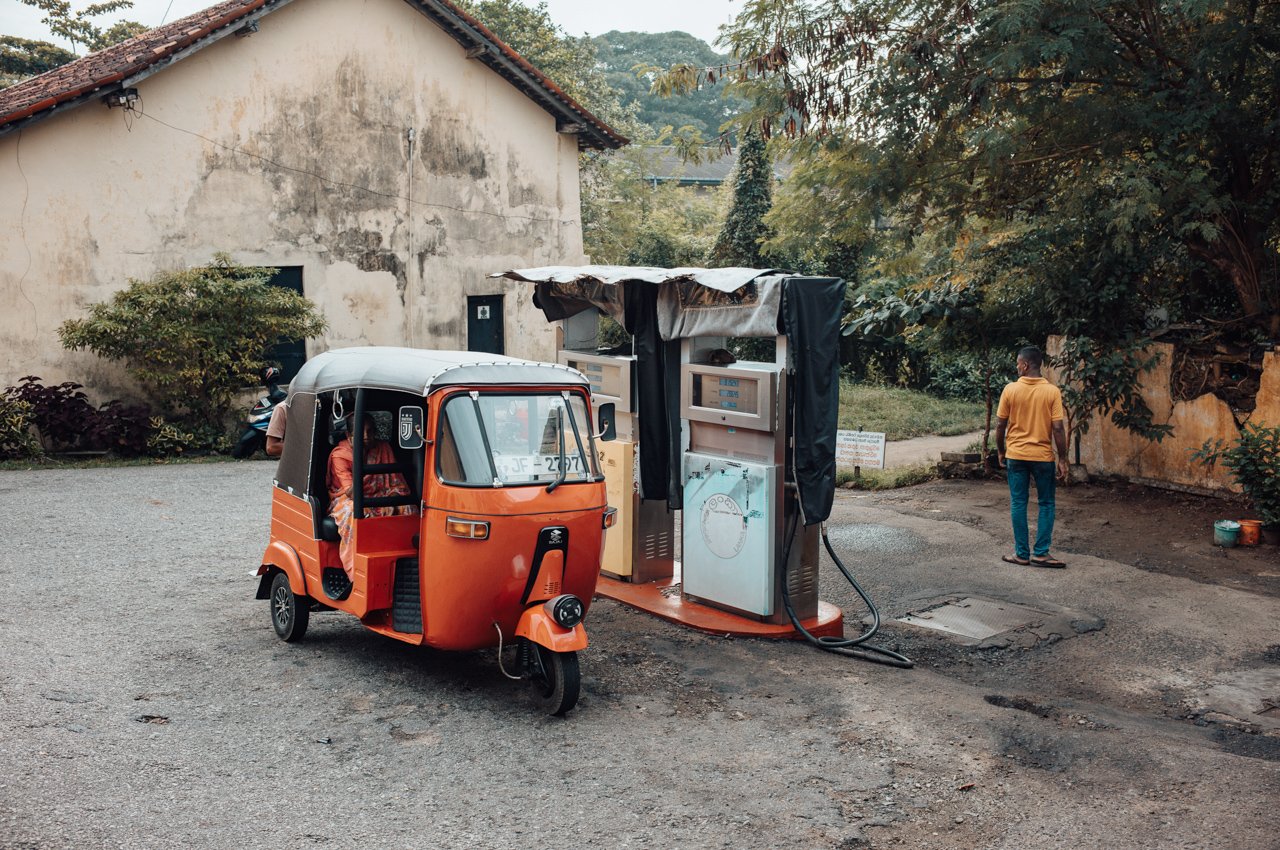
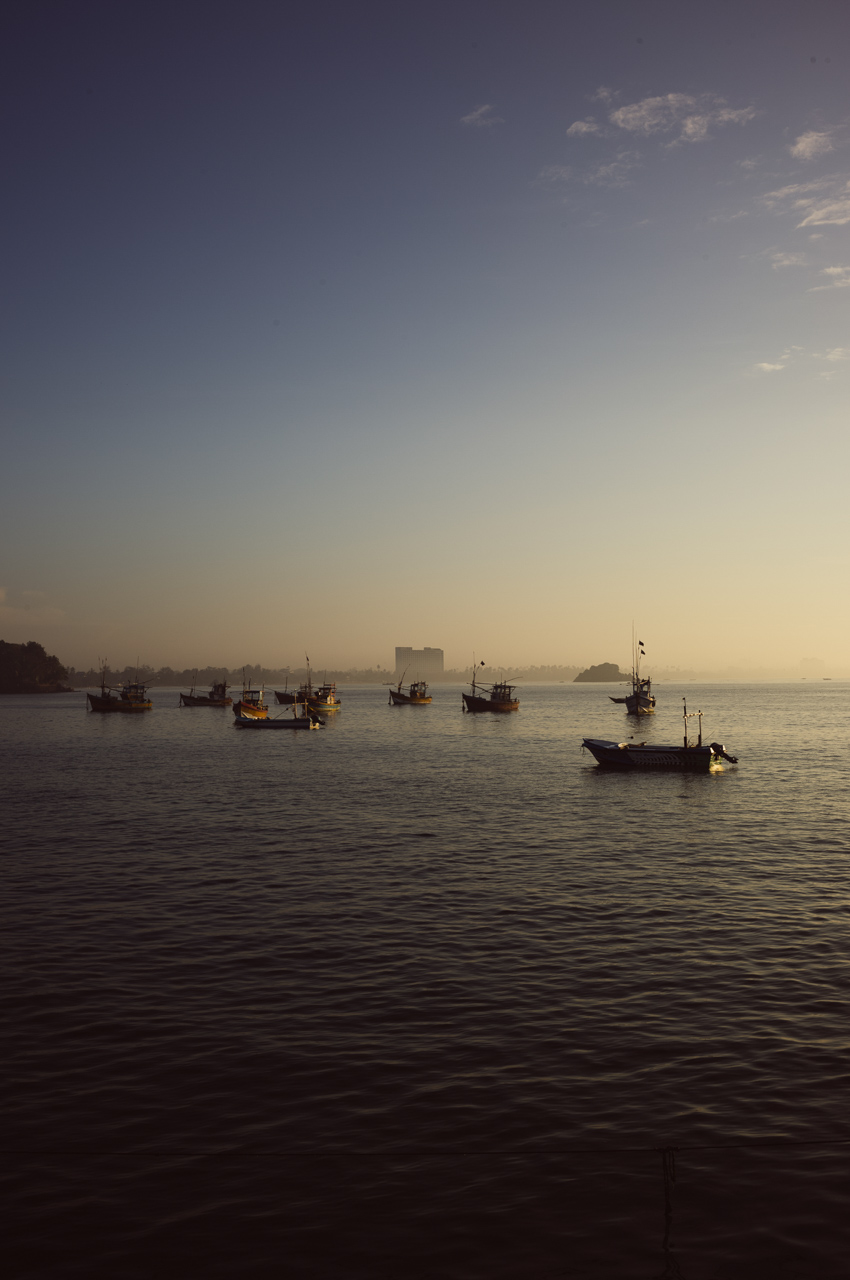
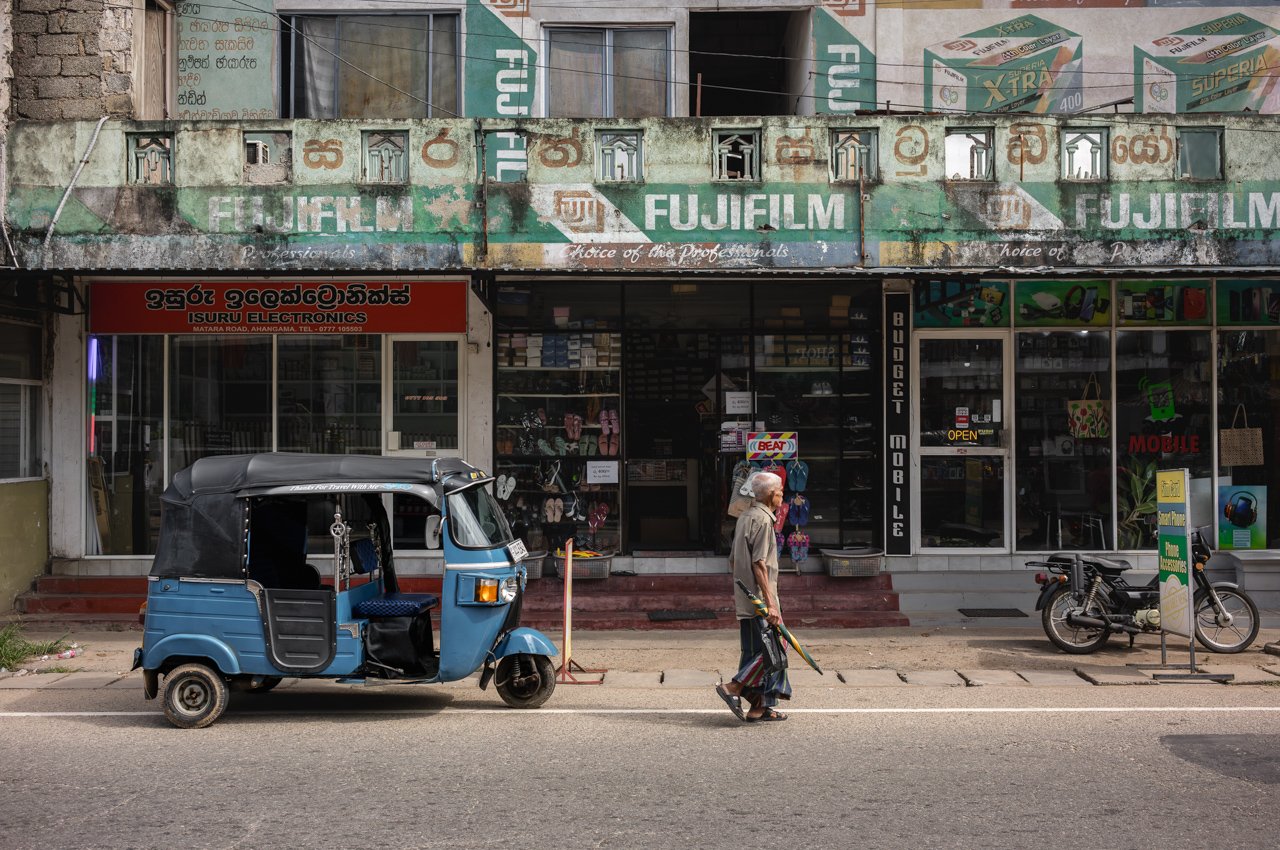
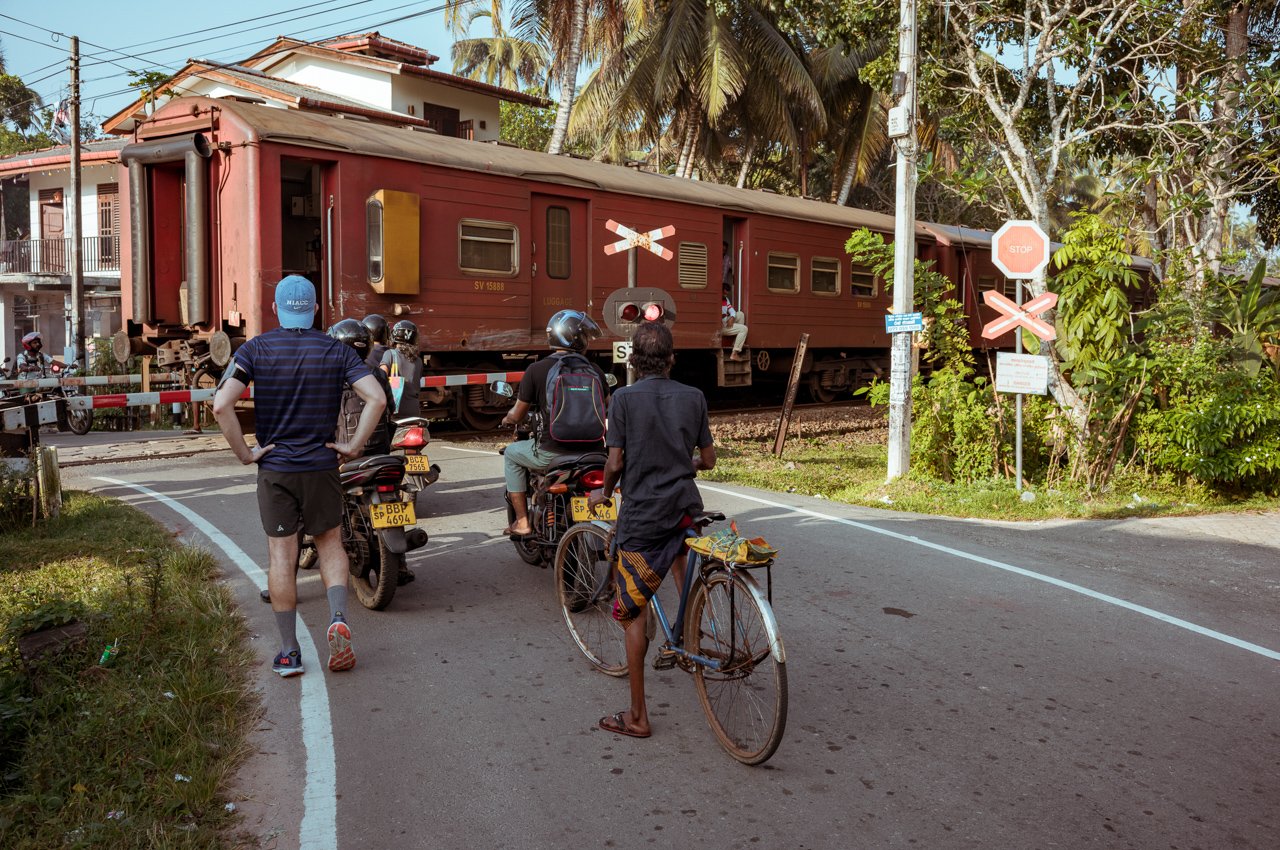
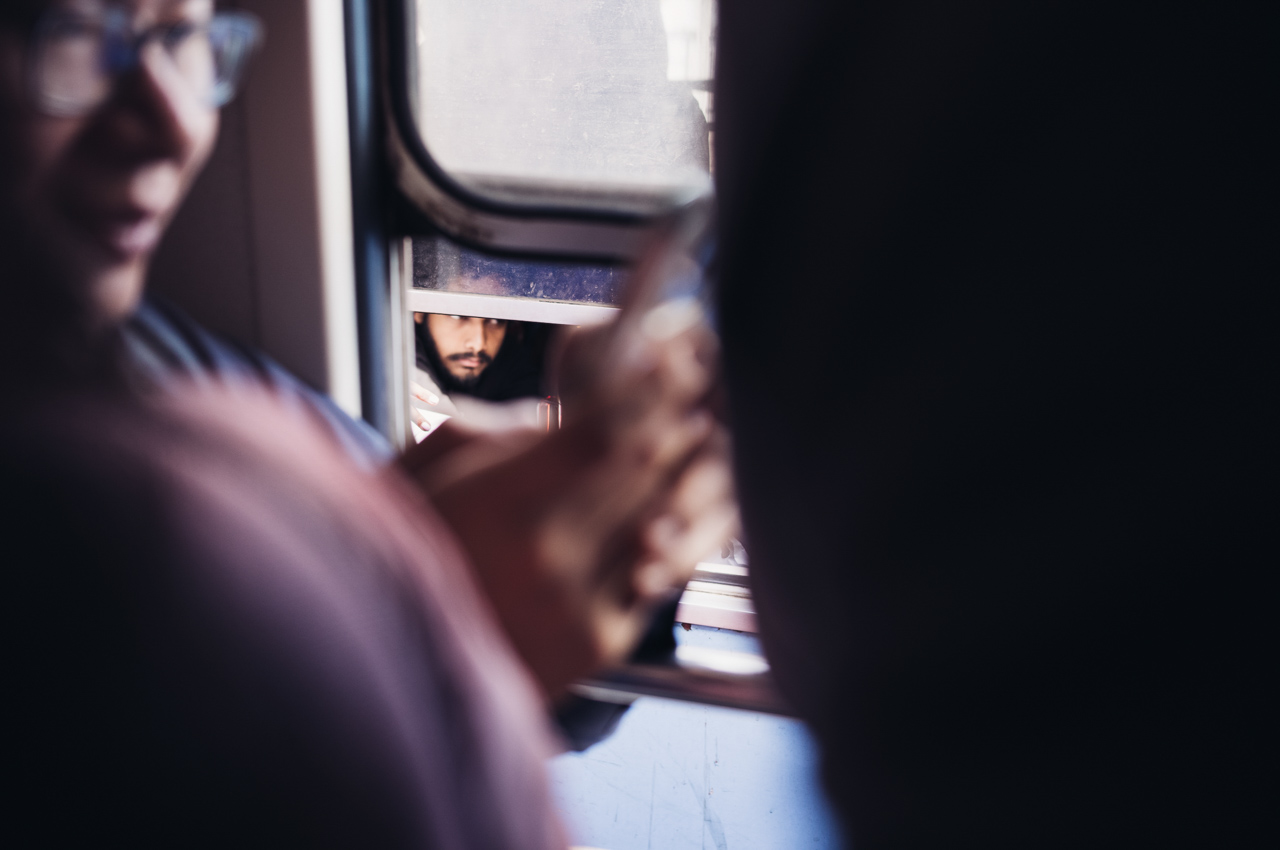
Es ist lange her, dass ich einen Reisebericht geschrieben habe. Um genau zu sein, sind es gute fünf Jahre. So lange war ich nicht mehr unterwegs, aber auch nicht mehr aktiv am Fotografieren. Besonders Letzteres ist sehr ungewöhnlich für mich. Fotografie begleitet mich bereits mein halbes Leben und ist diese eine konstante Leidenschaft, die eigentlich nicht wegzudenken war. Dennoch kam es, aus verschiedenen Gründen, zu dieser langen Pause. Hiermit erkläre ich sie für beendet. Über den Jahreswechsel habe ich rund vier Wochen in Sri Lanka verbracht und das gemacht, was mir schon immer am meisten Freude bereitet hat: Reisen und Fotografieren. Und ich hätte mir kaum ein schöneres Land für mein „Comeback” vorstellen können. Sri Lanka bietet so ziemlich alles, was ein Fotografenherz höherschlagen lässt: beeindruckende Natur, lebhafte Städte, wunderschöne Farben und unglaublich freundliche Menschen. Besonders die Menschen im Land werde ich noch lange in Erinnerung behalten. Man wird ständig angelächelt, und die Herzlichkeit, die ich erfahren habe, ist etwas ganz Besonderes. Es ist selten, dass man so viele nette und offene Menschen antrifft. Anfangs war ich mit der Freundlichkeit beinahe etwas überfordert. Bei uns wird einem ja eher mit Polizei gedroht, wenn man auf die Idee kommt, freundlich zu lächeln. Schade eigentlich.
Die klassische Reiseroute
Sri Lanka ist ein relativ kleines Land, und so ist auch die Wahl der Reiserouten mehr oder weniger vorgegeben. Ich bin von der Hauptstadt Colombo zunächst ins Landesinnere nach Habarana gereist, von wo aus man direkt verschiedene Tagesreisen unternehmen kann. Zum einen ist das der Besuch der antiken Stadt Polonnaruwa, einer uralten Tempelanlage, die schon seit den 80ern zum UNESCO-Weltkulturerbe gehört. Sie war einst die Hauptstadt des mächtigen Ceylon-Königreichs. Die prächtigen Ruinen sind teils über 1000 Jahre alt. Die Tempelanlage ist riesig, und es empfiehlt sich daher, sich eines der Fahrräder am Eingang andrehen zu lassen. Sonst kann es dank tropischer Hitze schnell anstrengend werden.
Ein zweites Highlight, das man von Habarana in nur 20 Minuten erreichen kann, ist der allseits beliebte „Sigiriya Rock”, der mit Abstand bekannteste Felsen des Landes. Auf diesem Monolithen, der auch Lion’s Rock genannt wird und ebenfalls zum UNESCO-Weltkulturerbe gehört, befinden sich die Ruinen einer uralten Festung. Den Besuch muss man sich allerdings mit rund 1200 Stufen hart erarbeiten.
Von Habarana bin ich dann auf direktem Weg nach Kandy gefahren, dem Herzen des Ceylon-Tees. Hier lohnt es sich, ein bis zwei Tage zu verweilen und, wie man so schön sagt, Tee zu trinken. Bereits der bekannte Sir Thomas Lipton hat in dieser Region vor über 100 Jahren sein Tee-Imperium aufgebaut.
Eine Zugfahrt, die ist lustig, eine Zugfahrt, die macht Spass
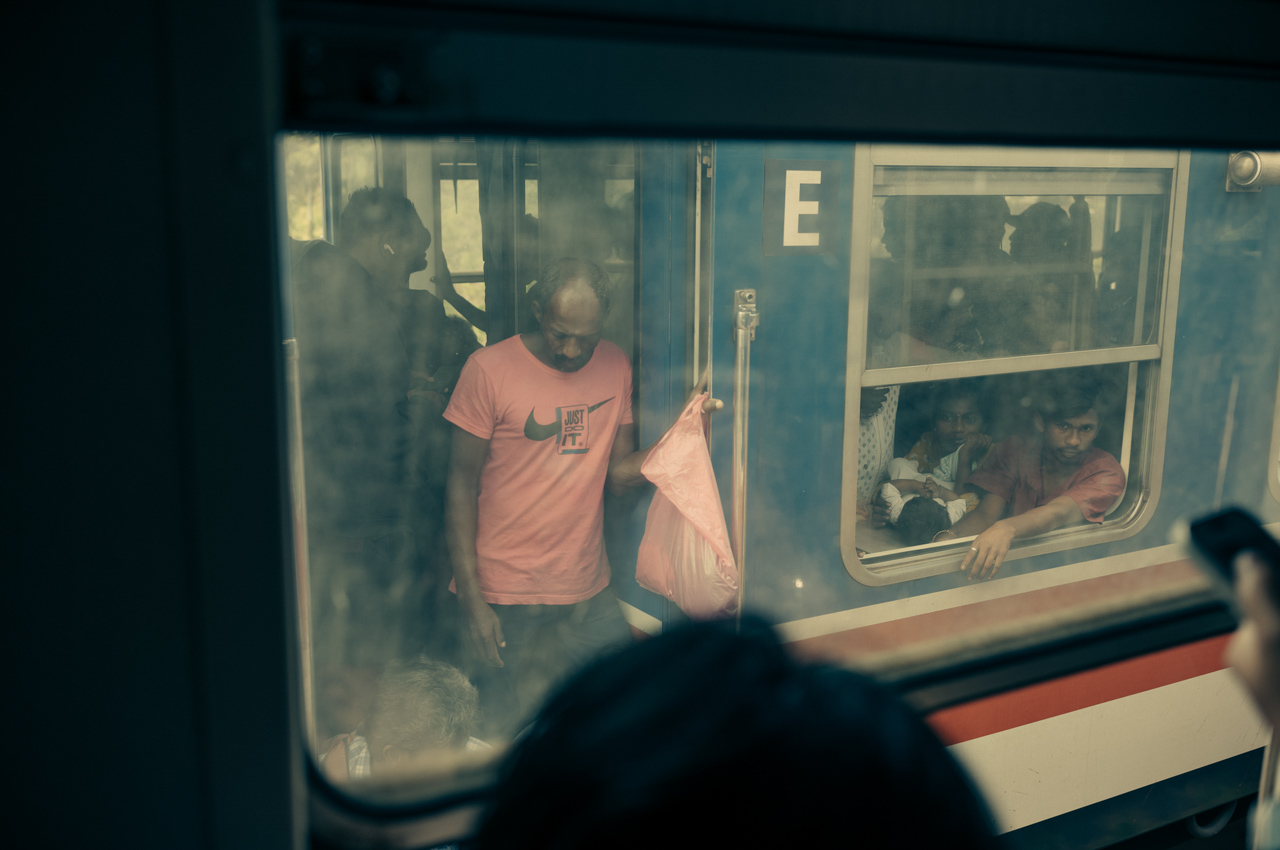
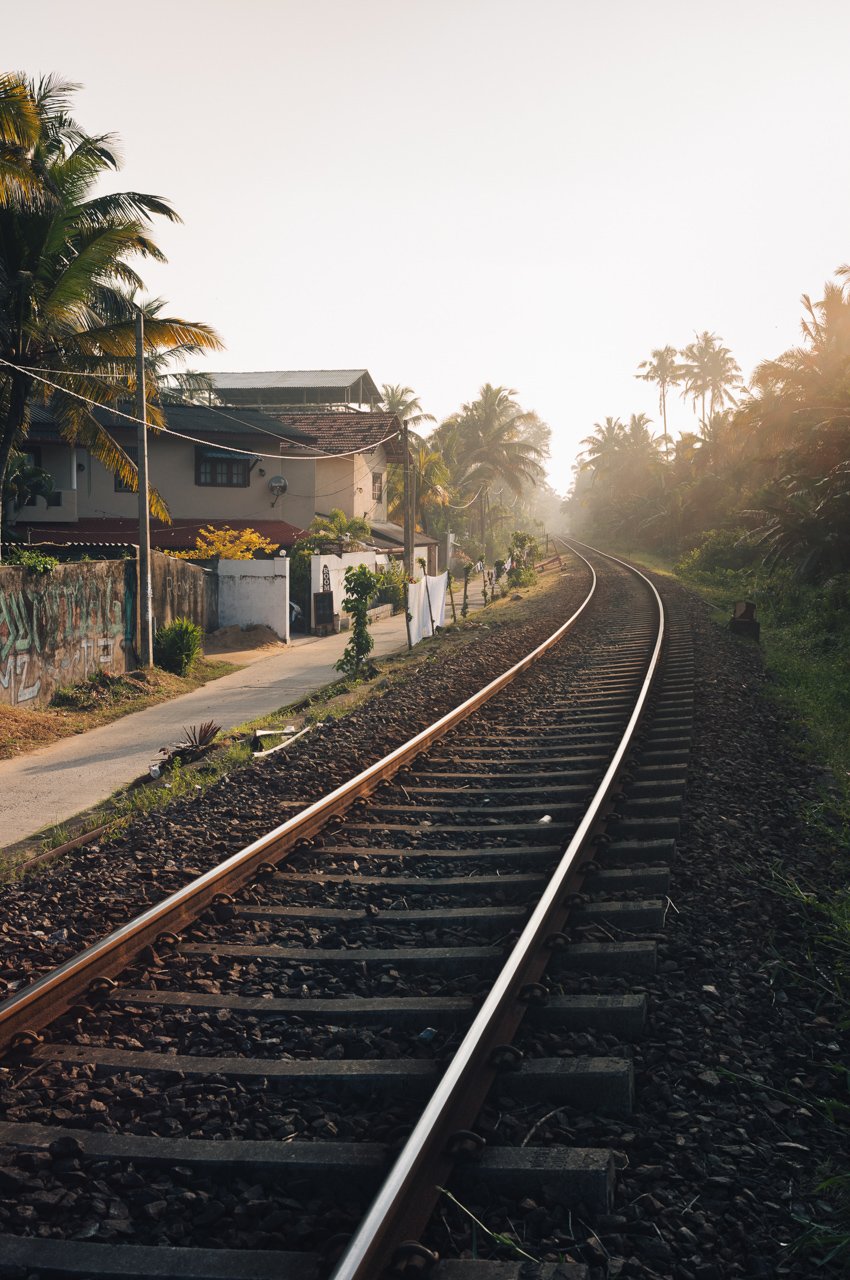
Von Kandy nehmen dann ausnahmslos alle Touristen den viel zu kleinen Zug nach Nuwara Eliya oder direkt weiter nach Ella. Diese Zugfahrt durch das Hochgebirge des Landes ist gewiss eines der touristischen Leckerbissen. Das allerdings auch erst, seitdem die ersten Influencer herausgefunden haben, dass man sich aus den Zugtüren raushängen lassen kann und dafür besonders viele Likes auf Social Media bekommt. War der Zug vor wenigen Jahren noch ein stinknormales Reisemittel für die lokale Bevölkerung, ist er heute randvoll mit fotogierigen Girlz & Boyz, die regelrecht Schlange stehen an den Türen des Zuges, um eines dieser äusserst authentischen Fotos zu ergattern. Hart nervtötend.
Wegen dieser neuen Beliebtheit dieses Panoramazuges wird einem dringend empfohlen, lange im Voraus die wenigen reservierbaren Tickets zu kaufen. Eine Empfehlung, die an mir vorbeigegangen ist. Schönerweise bekommt man eine Stunde vor Abfahrt noch die Möglichkeit, restliche Tickets direkt am Bahnhof zu ergattern. Schlechterweise tendiert die Chance auf einen Sitzplatz damit gen null. Und so durfte ich gute 4,5 von insgesamt 7,5 Stunden stehen, eingeklemmt zwischen rund drei Millionen anderen Touristen, Einheimischen und all unserem Gepäck. Träumchen! Also ja, es war definitiv eine anstrengende Zugfahrt, allerdings auch eine, die sich wirklich gelohnt hat. Die Fahrt durch die malerischen Landschaften ist einfach traumhaft. Ganz langsam tuckert der Zug durch das Hochgebirge und schafft in den besagten 7,5 Stunden gerade einmal 160 km von Kandy nach Ella. Immerhin war dieses Erlebnis eines der besonders günstigen. Sagenhafte zwei Euro hat die Fahrt gekostet. Da kommt grad der Schwabe in mir durch. Schnäpple!
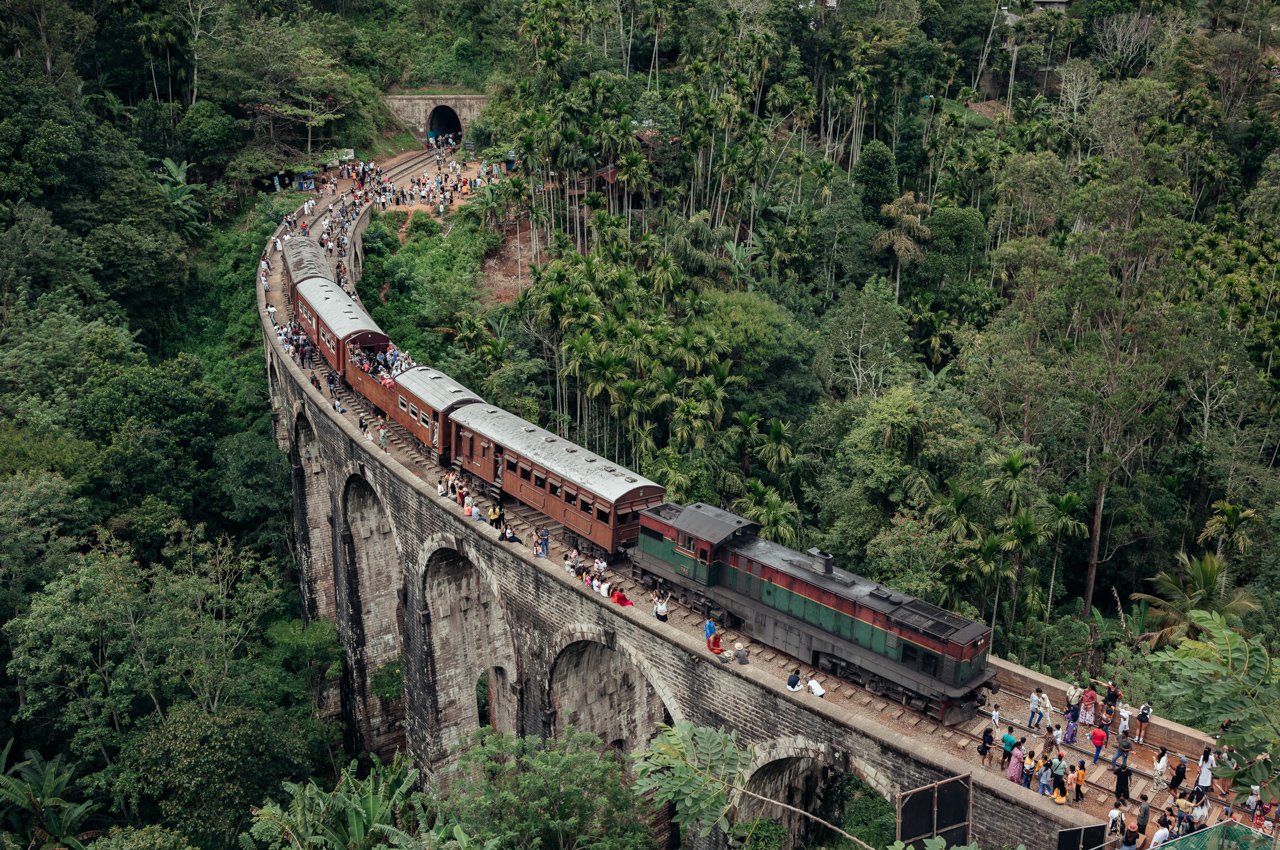
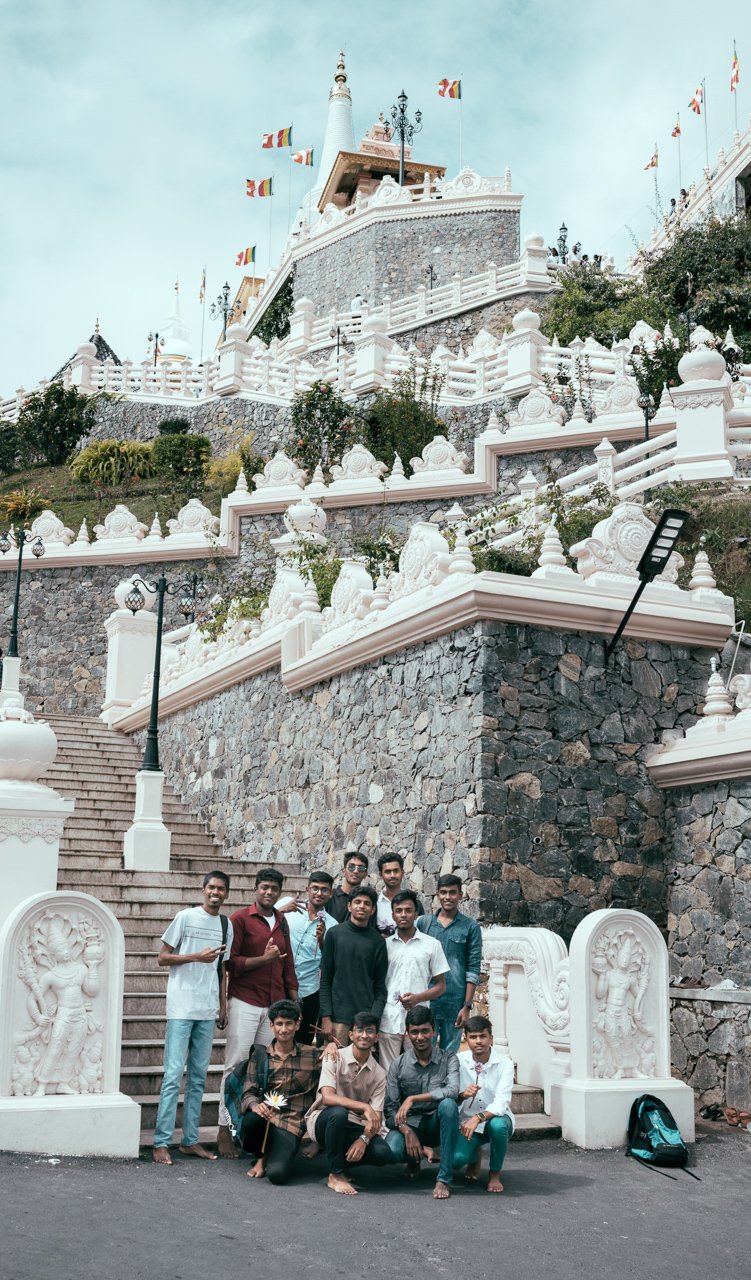
In Ella kommt man dann in einer wunderschönen und grünen Bergregion an. Hier befindet sich auch die bekannte Zugbrücke „Nine Arches Bridge”, zu der jeden Tag Tausende Menschen pilgern. Ich war insgesamt drei Tage in Ella. Gar nicht unbedingt nur wegen der Brücke, sondern weil es dort einfach wahnsinnig schön ist. In dieser Region kann man schön wandern, Wasserfälle begaffen und verschiedene Tempel besuchen. Ganz besonders gut hat mir der Mahamevnawa-Tempel gefallen, der hoch oben auf einem Berg liegt. Von allen Tempeln in Sri Lanka fand ich diesen am schönsten. Er scheint auch noch nicht den Weg in die Reisemagazine und Instagram gefunden zu haben. Ich war jedenfalls der einzige Nicht-Singhalese und wurde entsprechend neugierig gemustert. Eine Gruppe junger Studenten wollte dann auch unbedingt ein Foto von sich und mit mir haben. Sympathische Truppe.
Von Ella bin ich dann nur noch in den Süden an die Strände von Mirissa und Ahangama gefahren. Aber dazu gibt es nicht viel zu sagen. Da macht man eben Strandsachen und isst Avo-Toast und Pancakes. Der Bali-Flair hat leider auch in Sri Lanka Einzug gehalten. Mag ich gar nicht. Aber so ticken wir Westler eben. Wir halten es wohl nicht aus, diese schönen Orte einfach in ihrer Natürlichkeit zu belassen. Wir MÜSSEN unsere hippen Cafes, Restaurants und Hotels importieren. Sonst könnten wir ja Heimweh bekommen. Will ja keiner.
Reisefotografie mit der Leica M11
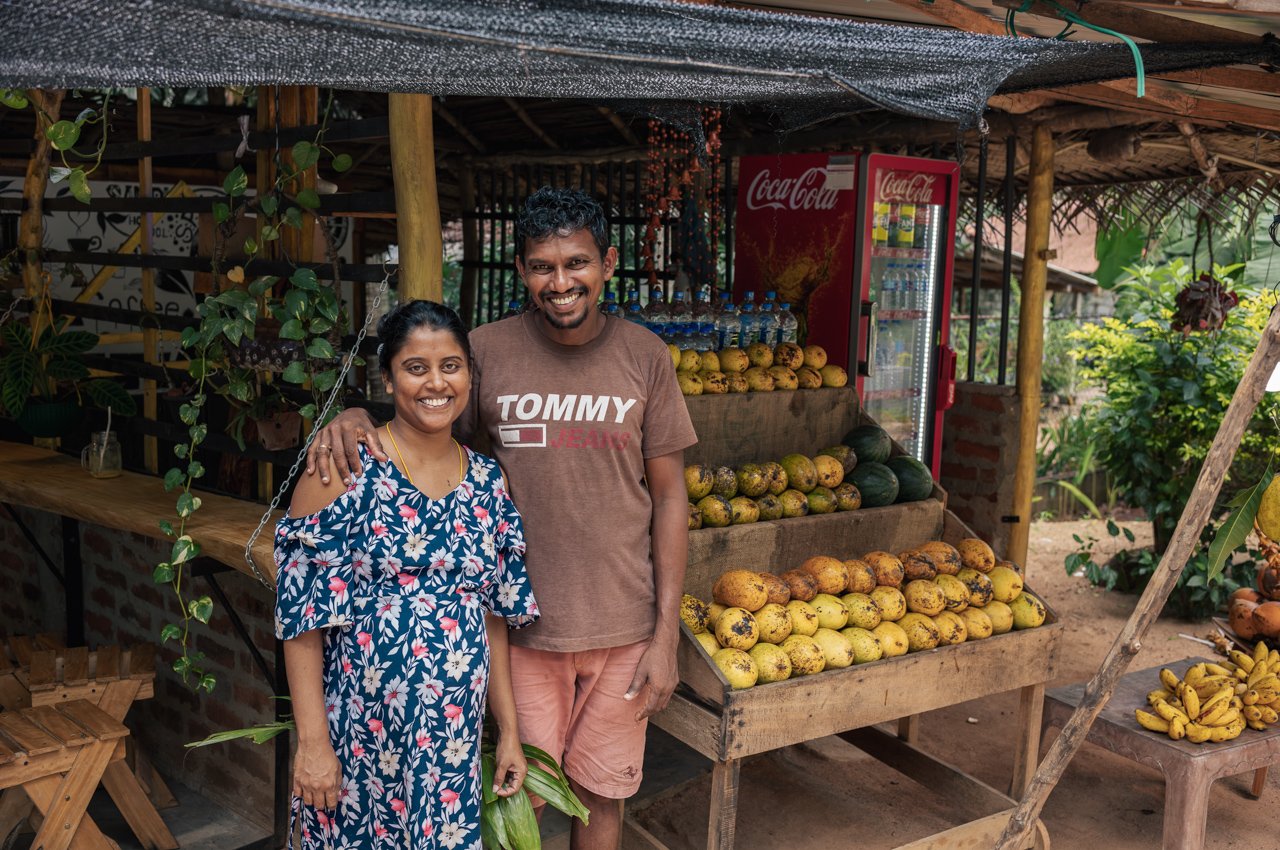
Ein zentrales Element meiner Reise war die Fotografie. Sri Lanka bietet endlose Motive. Im Vergleich zu anderen Ländern lassen sich die Menschen vor Ort sehr gern fotografieren. Als kleines Dankeschön habe ich allen das jeweilige Bild direkt per WhatsApp geschickt. Die Freude war jedes Mal riesig. Und somit auch meine. Es gibt kaum etwas Schöneres, als jemandem ein kleines Geschenk zu machen – selbst wenn es nur ein Foto ist.
Ich hatte meine neue Leica M11 und das Summilux 35mm f1.4 ASPH FLE II dabei, und ich bin total angetan von diesem System. Die Kamera hat meine Sichtweise auf die Fotografie neu erfunden. Die M-Kameras von Leica sind Kameras, bei denen man alles manuell einstellen muss – also Fokus, ISO, Blende und Verschlusszeit. Das ist etwas, mit dem ich mich noch nie so in dieser Tiefe befasst habe. Ich komme aus der schönen Welt der Autofokus-Kameras, bei denen man sich über das Scharfstellen der Bilder kaum noch Gedanken machen muss. Vor allem nicht mit den vielen modernen Features wie Objekt-Tracking, Focus-Peaking oder Iris-Tracking. Diese ganzen Tools sind zwar sehr hilfreich, haben bei mir aber auch dafür gesorgt, dass mich moderne Kameras gelangweilt haben. Sie haben mir irgendwie den Anspruch an die Kunstart der Fotografie genommen. Daher auch der Entschluss, auf die M-Serie zu wechseln. Weniger ist mehr.
Zu Beginn meiner Reise habe ich viele unscharfe Fotos produziert, einfach weil ich vergessen habe, manuell zu fokussieren. Ich war es gewohnt, abzudrücken und ein fertiges Foto zu erhalten. Vier Wochen später jedoch muss ich sagen, dass ich absolut begeistert von dieser Art der Fotografie bin. Das manuelle Fokussieren sorgt dafür, sich deutlich mehr Zeit für die Fotos zu nehmen – nehmen zu müssen. Bei jedem Foto muss man eben an alle Einstellungen denken. Deswegen verpasst man natürlich auch einige Momente. Aber das geht schon in Ordnung. Die schönsten Bilder sind eh die, die ich nie gemacht habe. Der grosse Vorteil dieses M-Systems ist, dass die Kamera und die Objektive keinen Motor für den Autofokus haben, wodurch sie deutlich kleiner und kompakter ausfallen. Das macht die M11 für mich zur perfekten Reisekamera. Bin ich früher mit grossen, schweren Kameras und Objektiven durch die Welt gereist, ist es heute eine Kompaktkamera mit einer 35-mm-Festbrennweite. Gut für den Rücken. Man wird halt älter.
Jedenfalls habe ich das Gefühl, die Fotografie noch einmal auf eine neue Art und Weise kennenzulernen, was sehr viel Spass macht. Es gibt aber dennoch einiges, was ich noch lernen muss. Besonders bei nahen Objekten, die sich in Bewegung befinden, finde ich es noch recht schwierig, den Fokus bzw. die Distanz richtig einzustellen. Das wird noch etwas Übung benötigen.
Fazit
Sri Lanka ist ein Land voller Schönheit, Gastfreundschaft und kulinarischer Entdeckungen. Ich habe die Zeit dort sehr genossen und freue mich bereits auf eine mögliche Rückkehr. Und wer weiss, vielleicht hänge ich mich dann auch mal aus dem Zug. „Do it for the gram!”, habe ich mir bei dieser Reise von den Kids beibringen lassen. So sind wir halt. Human after all.
It’s been a long time since I wrote a travel report. Five years, to be precise. That’s how long I hadn’t been traveling, but also hadn’t been actively photographing. The latter in particular is very unusual for me. Photography has been with me for half my life and is that one constant passion that was supposed to be unthinkable to live without. Yet for various reasons, this long break happened. I hereby declare it over. Over the turn of the year, I spent about four weeks in Sri Lanka doing what has always brought me the most joy: traveling and photographing. And I could hardly have imagined a more beautiful country for my “comeback.” Sri Lanka offers pretty much everything that makes a photographer’s heart beat faster: impressive nature, lively cities, gorgeous colors, and incredibly friendly people. The people in particular are something I’ll remember for a long time. You’re constantly being smiled at, and the warmth I experienced is something truly special. It’s rare to encounter so many kind and open people. At first, I was almost overwhelmed by the friendliness. Back home, you’re more likely to have the police called on you if you dare to smile at someone. Shame, really.
The Classic Travel Route
Sri Lanka is a relatively small country, so the choice of travel routes is more or less predetermined. I traveled from the capital Colombo first inland to Habarana, from where you can take various day trips. One of them is a visit to the ancient city of Polonnaruwa, an ancient temple complex that’s been a UNESCO World Heritage Site since the 80s. It was once the capital of the mighty Kingdom of Ceylon. The magnificent ruins are partly over 1,000 years old. The temple complex is huge, so it’s advisable to let them talk you into renting one of the bicycles at the entrance. Otherwise, the tropical heat can make things exhausting pretty quickly.
A second highlight, reachable from Habarana in just 20 minutes, is the universally beloved “Sigiriya Rock,” by far the most famous rock in the country. On this monolith, also known as Lion’s Rock and likewise a UNESCO World Heritage Site, you’ll find the ruins of an ancient fortress. Getting up there requires earning it with roughly 1,200 steps.
From Habarana, I headed straight to Kandy, the heart of Ceylon tea. It’s worth spending a day or two here and, as they say, drinking tea. The famous Sir Thomas Lipton built his tea empire in this region over 100 years ago.
A Train Ride, Oh What Fun, a Train Ride, Full of Joy
From Kandy, without exception, all tourists take the far-too-small train to Nuwara Eliya or straight on to Ella. This train ride through the country’s highlands is certainly one of the touristic highlights. Though that’s only been the case since the first influencers figured out you can lean out of the train doors and get loads of likes on social media for it. Just a few years ago, the train was a perfectly ordinary mode of transport for the local population. Today, it’s packed to the brim with photo-hungry girlz and boyz who literally line up at the train doors to snag one of those oh-so-authentic photos. Brutally annoying.
Because of this newfound popularity of the panorama train, you’re strongly advised to buy the few reservable tickets well in advance. A recommendation that completely passed me by. On the bright side, you get a chance to grab remaining tickets directly at the station an hour before departure. On the not-so-bright side, your chances of getting a seat approach zero. And so I got to stand for a good 4.5 of the total 7.5 hours, squeezed between roughly three million other tourists, locals, and all our luggage. Dreamy! So yes, it was definitely an exhausting train ride, but also one that was truly worth it. The journey through the picturesque landscapes is simply stunning. The train chugs ever so slowly through the highlands, covering just 160 km from Kandy to Ella in the aforementioned 7.5 hours. At least this experience was one of the particularly cheap ones. A whopping two euros for the ride. The inner Swabian in me rejoiced. What a steal!
You arrive in Ella in a beautiful, green mountain region. This is also where the famous “Nine Arches Bridge” is located, which thousands of people pilgrimage to every day. I spent three days in Ella total. Not necessarily just because of the bridge, but because it’s simply insanely beautiful there. In this region, you can go hiking, gawk at waterfalls, and visit various temples. I particularly loved the Mahamevnawa Temple, perched high up on a mountain. Of all the temples in Sri Lanka, I found this one the most beautiful. It also doesn’t seem to have made it into the travel magazines and Instagram yet. I was the only non-Sinhalese person there and was eyed with corresponding curiosity. A group of young students then absolutely insisted on getting a photo of themselves with me. Lovely bunch.
From Ella, I headed south to the beaches of Mirissa and Ahangama. But there’s not much to say about that. You do beach stuff and eat avo toast and pancakes. The Bali vibe has unfortunately made its way to Sri Lanka too. Not my thing at all. But that’s just how we Westerners tick. We apparently can’t stand leaving these beautiful places in their natural state. We HAVE to import our hipster cafes, restaurants, and hotels. Otherwise, we might get homesick. And nobody wants that.
Travel Photography with the Leica M11
A central element of my trip was photography. Sri Lanka offers endless subjects. Compared to other countries, people there are very happy to be photographed. As a small thank-you, I sent everyone their respective photo directly via WhatsApp. The joy was enormous every time. And so was mine. There’s hardly anything more beautiful than giving someone a small gift – even if it’s just a photo.
I had my new Leica M11 and the Summilux 35mm f1.4 ASPH FLE II with me, and I’m totally impressed by this system. The camera has reinvented how I see photography. Leica’s M cameras are cameras where you have to set everything manually – focus, ISO, aperture, and shutter speed. That’s something I’d never engaged with at this depth before. I come from the wonderful world of autofocus cameras, where you barely have to think about focusing your images. Especially not with all the modern features like object tracking, focus peaking, or iris tracking. All these tools are certainly helpful, but they also made modern cameras bore me. They somehow took away the sense of craftsmanship in photography for me. Hence the decision to switch to the M series. Less is more.
At the beginning of my trip, I produced a lot of blurry photos, simply because I forgot to focus manually. I was used to pressing the shutter and getting a finished photo. Four weeks later, however, I have to say I’m absolutely thrilled with this way of shooting. Manual focusing forces you to take significantly more time with your photos – to have to take more time. With every photo, you have to think about all the settings. That means you miss some moments, of course. But that’s alright. The most beautiful pictures are the ones I never took anyway. The great advantage of this M system is that the camera and lenses have no autofocus motor, making them significantly smaller and more compact. That makes the M11 the perfect travel camera for me. Where I used to travel the world with big, heavy cameras and lenses, it’s now a compact camera with a 35mm prime lens. Good for the back. You get older, after all.
In any case, I feel like I’m getting to know photography in a completely new way, which is a lot of fun. But there’s still plenty I need to learn. Especially with close objects that are in motion, I still find it quite difficult to set the focus and distance correctly. That’s going to take some more practice.
Conclusion
Sri Lanka is a country full of beauty, hospitality, and culinary discoveries. I thoroughly enjoyed my time there and am already looking forward to a possible return. And who knows, maybe next time I’ll hang out of the train too. “Do it for the gram!” is what the kids taught me on this trip. That’s just how we are. Human after all.